
I used to read fifty books a year and remember almost none of them. I'd highlight passages, take notes, discuss with friends—and six months later, the books were like distant memories from someone else's life. What changed wasn't how I read—it was why and what I did with books after I closed them.
The problem with most reading advice is that it focuses on consumption: speed, retention, volume. But reading isn't a race. The goal isn't to have read the most books—it's to have understood and incorporated ideas that change how you think and work. A book that genuinely changes one habit or one belief is worth more than ten books you forgot the week after finishing them.
The After-Reading Practice
What made the biggest difference for me was developing a practice for what happens after I finish a book. The day after I finish, I write a short summary: not a summary of what the book said, but a summary of what I took away from it. What did I learn? What am I going to do differently? What question did this book raise that I'm still thinking about?
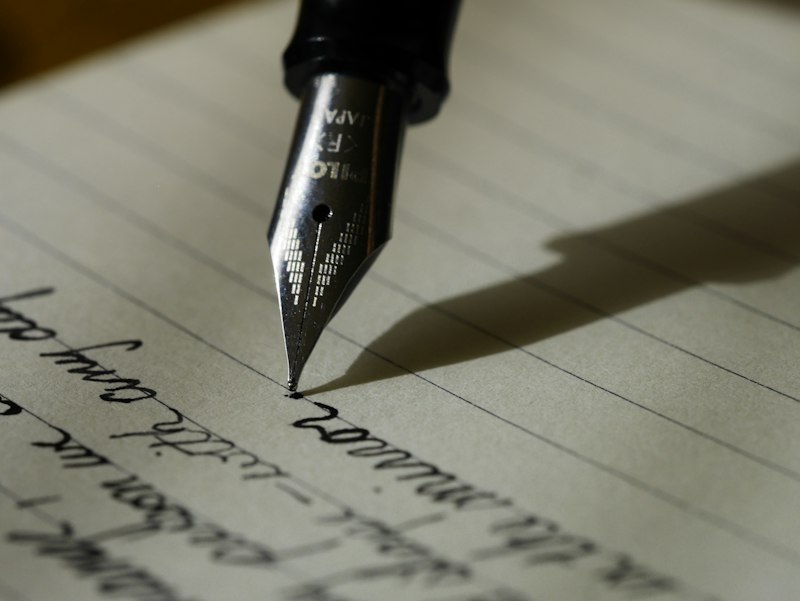
This practice forces a kind of honesty. It's easy to feel like you've absorbed a book while you're reading it. It's much harder to honestly assess what you actually took away and what you're going to do about it. The books that survive this practice are the ones that actually change me. The ones that don't survive it were probably just interesting entertainment—which is fine, but shouldn't be confused with learning.
Reading With a Question
The most effective reading I've done starts with a question I want answered, rather than a general curiosity about a topic. When you read with a specific question in mind, you engage differently with the text. You're looking for answers rather than just processing information, which means you remember more and you pull out more practical value. The question doesn't have to be narrow—it can be as open as "what's the most important thing this author wants me to understand?" But having the question creates the kind of active reading that leads to actual comprehension.
Track your own learning with the Learning Log tool.